

Market Outlook-May 19th, 2026
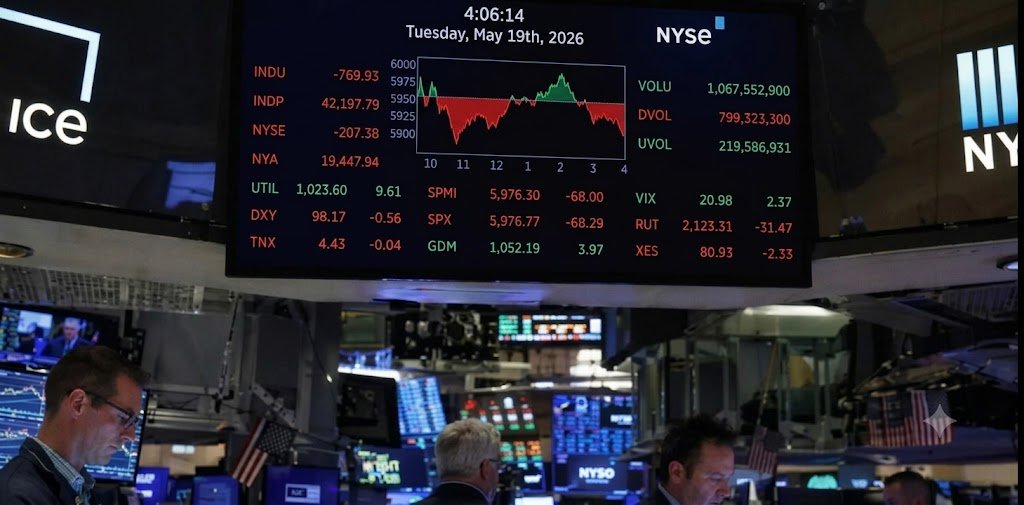
Current global market conditions increasingly resemble a late-cycle macro environment characterized by stretched equity valuations, elevated inflation risk, tightening financial conditions, and rising geopolitical instability. Large-cap technology stocks appear increasingly overvalued relative to normalized earnings expectations, with valuation multiples in several AI-driven sectors expanding faster than underlying cash flow growth, creating conditions consistent with speculative excess and potential bubble dynamics. Technical indicators across major indices, particularly within the Nasdaq and semiconductor sectors, have reached historically elevated RSI levels that suggest materially overbought conditions and an increased probability of mean reversion or corrective price action.
At the macroeconomic level, rising oil prices are reintroducing inflationary pressure into the global economy at a time when central banks were previously expected to pivot toward easing policy. Renewed Iran-related geopolitical tensions and concerns surrounding supply disruption through the Strait of Hormuz have added a geopolitical risk premium to crude prices, increasing the probability of sustained energy inflation and higher-for-longer interest rate expectations.
From an asset allocation standpoint, the combination of elevated stock market valuations, rising bond yields, persistent inflation, and geopolitical uncertainty creates an unfavorable setup for high-duration growth stocks, particularly speculative technology names that remain heavily dependent on liquidity conditions and future earnings assumptions. Market leadership appears increasingly narrow and momentum-driven, which historically has been associated with fragile late-stage bull market structures.
In this environment, institutional investors may increasingly rotate toward defensive sectors, energy producers, commodities, cash-flow-generating value equities, and inflation-sensitive assets as hedges against macro instability. While a full systemic crisis is not yet fully reflected in positioning or credit markets, the current setup suggests that downside volatility risk has risen materially, especially if inflation accelerates further or geopolitical conflict intensifies beyond current expectations.
The market backdrop increasingly reflects a high-risk macro regime where valuation compression, heightened volatility, and potential correction risk are becoming more probable across global financial markets.

STA Research (StockTargetAdvisor.com) is a independent Investment Research company that specializes in stock forecasting and analysis with integrated AI, based on our platform stocktargetadvisor.com, EST 2007.
Related research

How Trump’s Tariffs Could Shake Up Magna International’s Auto Parts Business

STA Research (Rank#25) Maintained “Hold” Rating on Starbucks, $110 target (SBUX:NSD)

Bank of Canada Looks to Pause rates as Recession Looms

Microsoft (MSFT): Stock Analysis & Forecast

Meta Platforms (META) Stock Forecast: Analysts Continue to Raise Targets

Microsoft (MSFT) Oppenheimer Raises Target to $570
A monthly perspective in your inbox.
Five research sections in the STA Research Professional Newsletter.