

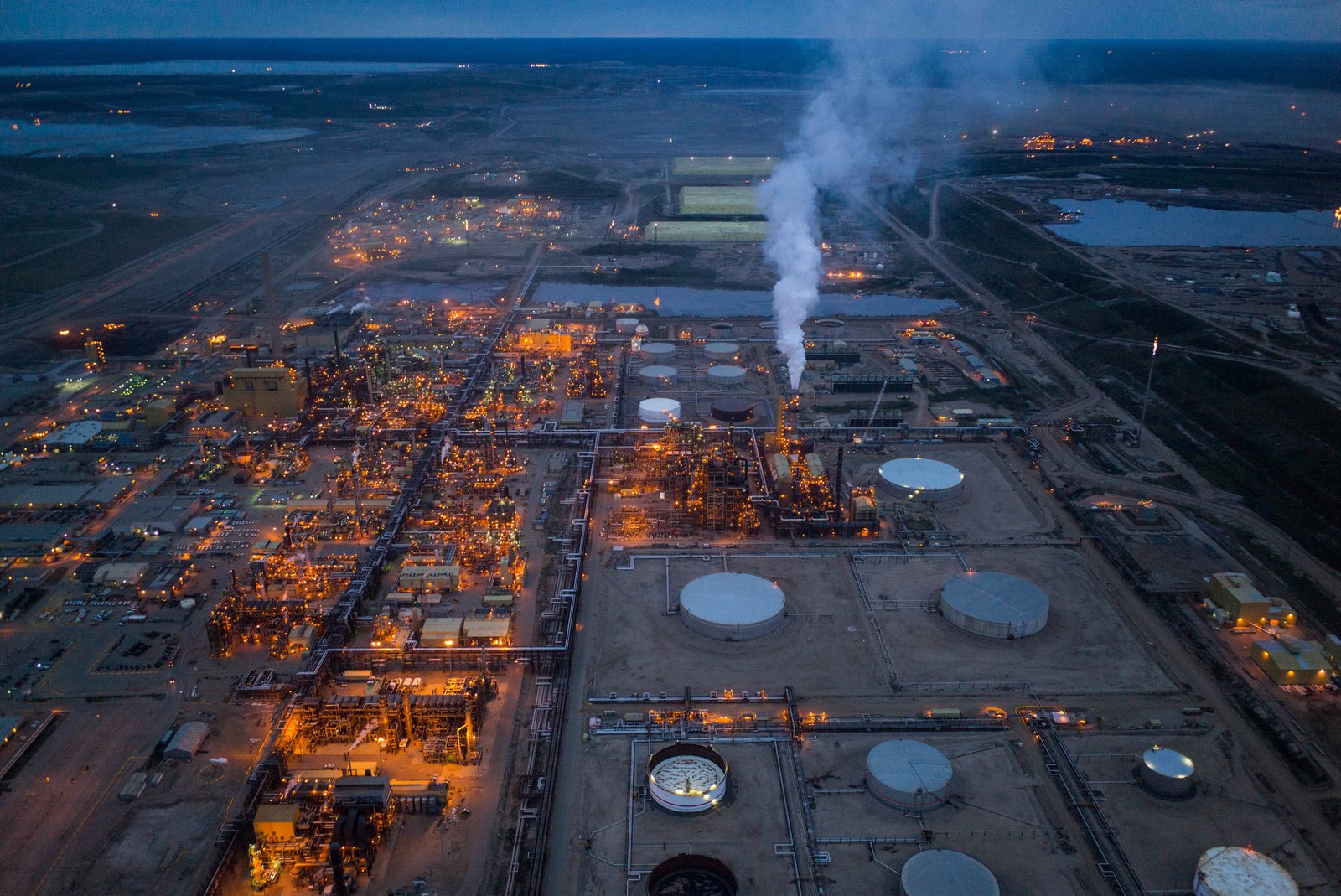
Oil Recession Catalyst
A sustained rise in oil prices can act as a systemic macroeconomic shock, with transmission channels similar to those observed during the Global Financial Crisis, where energy price spikes contributed to tightening financial conditions and weakening demand. From a macro framework, oil functions as a tax on both consumers and businesses, compressing real disposable income and corporate margins simultaneously. As energy costs rise, households are forced to reallocate spending toward necessities such as fuel and utilities, reducing discretionary consumption, which is a key driver of GDP in developed economies.
On the corporate side, higher input costs, particularly in transportation, manufacturing, and chemicals lead to margin compression and earnings downgrades, especially in sectors with limited pricing power. This creates a negative feedback loop where declining profitability reduces capital expenditures, hiring, and overall business confidence. At the same time, elevated oil prices feed directly into headline inflation, which can spill over into core inflation through second-round effects such as wage demands and higher service costs. This dynamic constrains central banks, including the Federal Reserve and Bank of Canada, from easing monetary policy, and in some cases forces further tightening, exacerbating the slowdown.
From a financial markets perspective, rising oil-driven inflation leads to a repricing of interest rate expectations, pushing bond yields higher and tightening liquidity conditions. This disproportionately impacts rate-sensitive sectors such as housing and small-cap equities, while also increasing debt servicing burdens across households and corporations. In 2008, the sharp increase in oil prices to over $140 per barrel contributed to a squeeze on consumer spending just as the financial system was already under stress, accelerating the downturn. While today’s financial system is structurally more resilient, the interaction between elevated energy prices, restrictive monetary policy, and high global debt levels creates a similar vulnerability.
If oil prices remain elevated for an extended period, the cumulative effect could lead to stagflationary conditions, characterized by slowing growth and persistent inflation. Under such a scenario, central banks face a policy trade-off between supporting growth and controlling inflation, often resulting in delayed or insufficient responses that deepen economic contractions. Equity markets, which typically discount future earnings, may initially look through energy shocks, but sustained pressure on margins and demand can eventually lead to earnings recessions and valuation compression, increasing the risk of a broader market downturn.
Sectors Most Affected
While an oil shock alone may not trigger a crisis equivalent to 2008, it can act as a catalyst that amplifies existing economic fragilities, particularly in a late-cycle environment marked by high interest rates, elevated debt, and geopolitical uncertainty. The probability of recession increases materially if oil-driven inflation forces central banks to maintain restrictive policy into a weakening growth backdrop, creating the conditions for a synchronized slowdown across consumption, investment, and financial markets

STA Research (StockTargetAdvisor.com) is a independent Investment Research company that specializes in stock forecasting and analysis with integrated AI, based on our platform stocktargetadvisor.com, EST 2007.